

tinted glass manufacturer
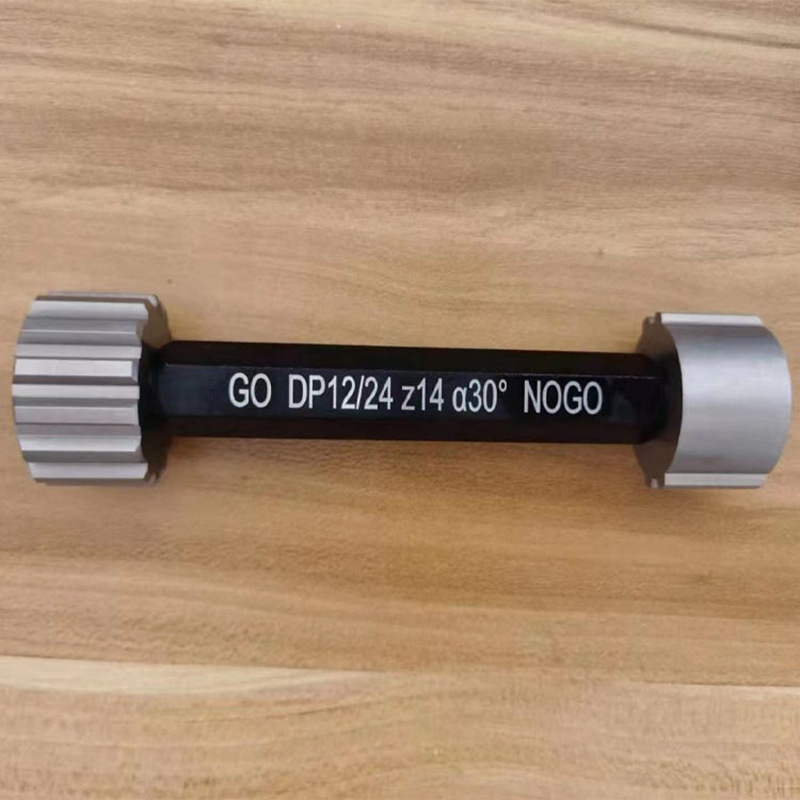
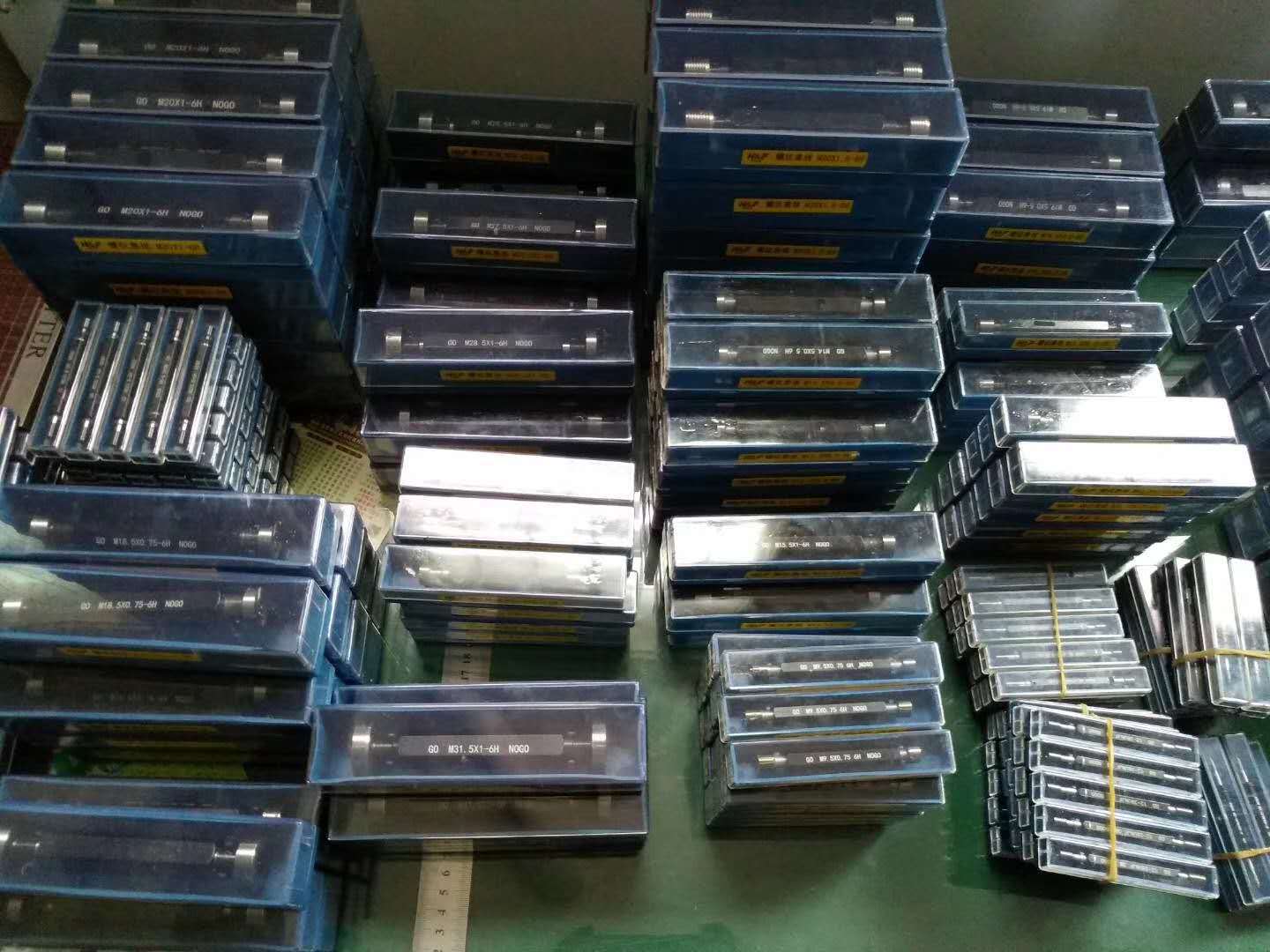
Understanding Thread Ring Gauge Go/No-Go Concept Thread measurements are critical in various engineering and manufacturing applications, ensuring that components fit together correctly and function as intended. One of the essential tools in this process is the thread ring gauge, which is used to verify the accuracy of threaded parts. This article delves into the function of thread ring gauges, particularly focusing on the Go/No-Go measurement concept. What is a Thread Ring Gauge? A thread ring gauge is a precision tool used to assess the dimensions and precision of external threads on cylindrical items such as screws, bolts, and other fasteners. These gauges come in different sizes and types, tailored to various thread standards, such as ANSI, ISO, or JIS. The gauge is designed in a ring shape that fits around the threaded part, allowing operators to easily check whether the threads are manufactured within specified tolerances. The Go/No-Go Measurement System The Go/No-Go system is a standardized method in manufacturing and quality control for determining if a part is acceptable according to dimensional specifications. This system employs two distinct gauging elements 1. Go Gauge This gauge is designed to fit onto the threaded part if it is within the acceptable range of specification. If the Go gauge fits, it indicates that the component is likely functional and meets the necessary criteria. 2. No-Go Gauge Conversely, the No-Go gauge is designed not to fit onto the threaded part if it is manufactured correctly. If the No-Go gauge passes over the threads, it indicates the part is out of specification, meaning it is either too large or too small. Importance of Go/No-Go Gauges The Go/No-Go gauges simplify the quality control process by providing clear, straightforward criteria for acceptance. Here are some key reasons why this method is so crucial thread ring gauge go no go - Efficiency The Go/No-Go method allows for rapid assessments of threaded parts without requiring detailed measurement instruments. It’s often quicker to test a part with a gauge than to measure specific dimensions with calipers or micrometers. - Binary Results The simplicity of the Go/No-Go system results in clear outcomes. Parts can be quickly categorized as acceptable or unacceptable, facilitating faster decision-making in production flows. - Reduces Errors The clear threshold between the acceptable Go gauge and the unacceptable No-Go gauge eliminates ambiguity during inspections. This reduces human error associated with interpreting dimensional measurements. - Cost-Effective By using thread ring gauges instead of more complex measuring devices, manufacturers can save costs while maintaining a high standard of quality control. Applications in Industry Thread ring gauges are used extensively in sectors such as aerospace, automotive, and machinery manufacturing, where the integrity of threaded connections is paramount. For instance, in aerospace applications, the tight tolerance on threaded components can be critical for safety and functionality. Manufacturers use Go/No-Go gauges to ensure that bolts and screws fit correctly, preventing potential failures that could arise from faulty parts. Similarly, in automotive assembly lines, a single defective threaded component could lead to assembly issues or even vehicle malfunctions. By implementing Go/No-Go standards, companies enhance their reliability and compliance with industry regulations. Conclusion In summary, thread ring gauges based on the Go/No-Go measurement system are invaluable tools in the manufacturing sector. They provide a clear, efficient, and reliable method for assessing the dimensional accuracy of threaded components. As industries continue to prioritize quality and precision, the use of such gauges will remain a critical aspect of manufacturing processes, ensuring safety and functionality in products across various applications. Understanding and correctly implementing the Go/No-Go concept can significantly enhance the quality assurance measures in any manufacturing setup, resulting in better products and increased customer satisfaction.
about
tinted glass manufacturer
Understanding Stainless Steel Saddle Pipe Clips A Comprehensive Guide Stainless steel saddle pipe clips are an essential component in various piping systems, offering a reliable and efficient method of securing pipes to surfaces while ensuring minimal damage and maximum stability. These robust and durable fixtures have become the go-to choice for professionals across industries due to their exceptional corrosion resistance, strength, and versatility. The term stainless steel refers to a family of iron-based alloys with a minimum of 10.5% chromium content, which provides its inherent resistance to rust and staining. This makes stainless steel an ideal material for manufacturing saddle pipe clips, particularly in environments where exposure to harsh chemicals or extreme weather conditions is common. Saddle pipe clips consist of a U-shaped body, often with a resilient rubber insert, that fits snugly around the pipe, providing a secure grip without causing any harm to the pipe's surface. The clip's design allows for easy installation and adjustment, as it can be slid along the pipe and tightened using a screw mechanism. This adaptability ensures a perfect fit for pipes of varying diameters, making it a versatile solution for diverse applications. One of the key advantages of stainless steel saddle pipe clips is their durability. The combination of strength and corrosion resistance enables them to withstand high pressure, temperature fluctuations, and mechanical stress, making them suitable for use in industrial settings, plumbing systems, and even in marine environments. Furthermore, their non-magnetic properties and sleek appearance make them a popular choice for aesthetically pleasing installations Furthermore, their non-magnetic properties and sleek appearance make them a popular choice for aesthetically pleasing installations Furthermore, their non-magnetic properties and sleek appearance make them a popular choice for aesthetically pleasing installations Furthermore, their non-magnetic properties and sleek appearance make them a popular choice for aesthetically pleasing installations stainless steel saddle pipe clips . Maintenance of stainless steel saddle pipe clips is relatively straightforward. Regular cleaning with mild soap and water can help maintain their luster and prevent the build-up of dirt and grime. In cases where more aggressive cleaning is required, a solution of vinegar and water or a specialized stainless steel cleaner can be used without fear of damaging the material. In addition to their practical benefits, stainless steel saddle pipe clips also contribute to sustainable practices. Their long lifespan reduces the need for frequent replacements, and at the end of their service life, they can be recycled, minimizing waste and environmental impact. In conclusion, stainless steel saddle pipe clips embody a perfect blend of functionality, durability, and adaptability. Their use in piping systems ensures secure and reliable pipe mounting, while their corrosion-resistant properties make them a cost-effective solution in the long run. As technology continues to evolve, so too will the design and application of these indispensable fixtures, further solidifying their position as a staple in various industries.
-

High quality industrial productsagement

High quality industrial products
View Details -

Meet the diverse needs of customers

Meet the diverse needs of customers
View Details -

Strict quality control

Strict quality control
View Details -

Top raw materials

Top raw materials
View Details -

Trusted supplier

Trusted supplier
View Details
Our application


news and information
Ventil motýl s 36% průtokem pro efektivní regulaci kapaliny
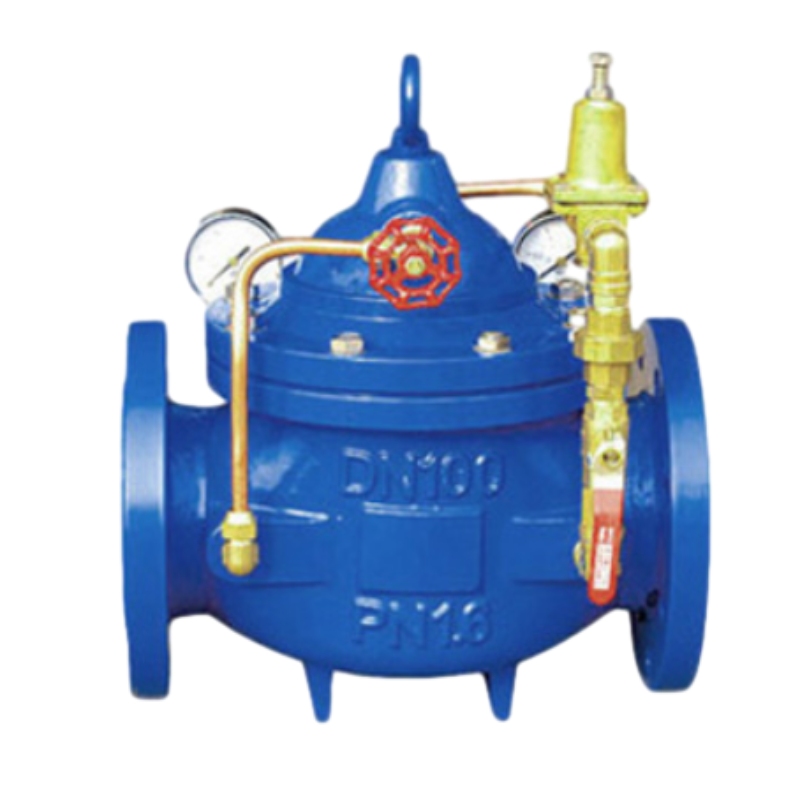
Motýlové ventily a jejich význam Motýlové ventily jsou jedním z nejefektivnějších a nejběžněji použí
welding v block
Understanding the Role of a V-Block in Welding Welding is a critical process in various industries,

Versatile 4x4 Welding Table for Precision Metal Fabrication and Joinery Projects
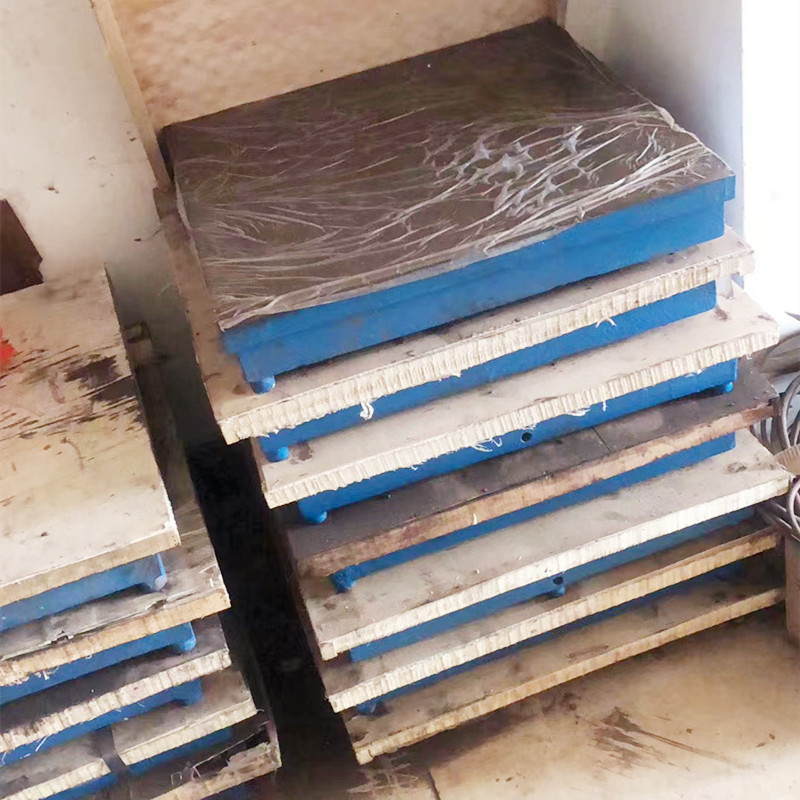
The Versatility of a 4x4 Welding Table Welding is an essential fabrication process that requires pre
 English